
Ever step into a shower and feel the water pooling like a mini lake because the liner is doing its own thing? Most homeowners think a cheap liner will do the job, but the moment you turn the faucet on, the truth shows up in soggy corners and a stinky smell.
What the pros know is that a solid liner is the silent guardian of your bathroom’s lifespan. It’s not just about keeping water out; it’s about protecting the subfloor, stopping mold before it starts, and keeping your remodel looking fresh for years.
Seasoned contractors in Marana have a handful of tricks that turn a run‑of‑the‑mill liner into a fortress. From the exact type of vapor barrier to the secret prep steps that lock moisture out, these moves make the difference between a bathroom that lasts and one that needs a redo.
Ready to see the exact steps the experts use and why they swear by them? Keep reading and you’ll get the playbook that turns a simple shower liner into a long‑lasting, worry‑free upgrade.

Types of Shower Liners: PVC, CPE, and Custom Fabricated Options
PVC Liners
Polyvinyl chloride is the workhorse of the shower world—cheap, lightweight, and easy to cut. Most DIYers reach for PVC because it slides into place without a sweat, but the trade‑off is a shorter lifespan in Marana’s heat.
When installed correctly, PVC gives a solid water barrier; however, it can become brittle under constant UV exposure and extreme temperature swings.
- Pros: budget‑friendly, readily available, simple to handle.
- Cons: less resistant to punctures, can shrink over time.
CPE Liners
Chlorinated polyethylene (CPE) is the premium upgrade that contractors swear by for high‑traffic showers. It’s tougher than PVC, flexes without cracking, and holds up when the desert sun beats down on your bathroom.
Because CPE resists chemicals and UV rays, it stays supple for years, making it a favorite for remodels where the owner wants “set it and forget it.”
- Advantages: superior durability, excellent chemical resistance, maintains flexibility.
- Drawbacks: higher material cost, requires a bit more skill to seam.
Custom Fabricated Options
When a standard sheet won’t fit the job—think irregular niches, built‑in benches, or a curvy shower wall—pros turn to custom‑fabricated liners. These are cut from thick, reinforced membranes that can be welded or glued to match any shape.
Custom liners are the secret weapon for eliminating hidden leaks; they conform perfectly, leaving no gaps for water to sneak behind.
- Best for: unique layouts, high‑end remodels, and projects where a flawless seal is non‑negotiable.
- Considerations: longer lead time, need for a skilled installer, higher upfront price.
Selecting the Ideal Vapor Barrier for Marana’s Desert Climate
Why Vapor Barriers Matter in the Desert
Marana’s heat swings from scorching days to chilly nights, and that temperature swing drives moisture through the floor like a sneaky thief. A good vapor barrier stops that moisture before it reaches the subfloor, keeping wood from swelling and mold from taking hold. Think of it as the first line of defense against a future headache.
Choosing the Right Material
Not all barriers are created equal. In a desert climate you need a product that can breathe a little while still blocking water vapor. Here’s what the pros keep in their toolbox:
- PVC (Polyvinyl Chloride) – Tough, cheap, and easy to cut. Works well when the shower pan is perfectly level.
- CPE (Chlorinated Polyethylene) – More flexible than PVC, handles slight floor movement without cracking.
- Custom‑fabricated liners – Tailored to odd‑shaped showers, they seal every nook and cranny.
Installation Tips That Make a Difference
Even the best material fails if it’s laid wrong. Lay the barrier flat, overlap seams by at least 6 inches, and tape them with a vapor‑resistant tape. Then, press the edges into the curb with a heavy‑duty roller to squeeze out air pockets. A quick moisture test after installation confirms you’ve got a solid seal before you even pour the mortar.
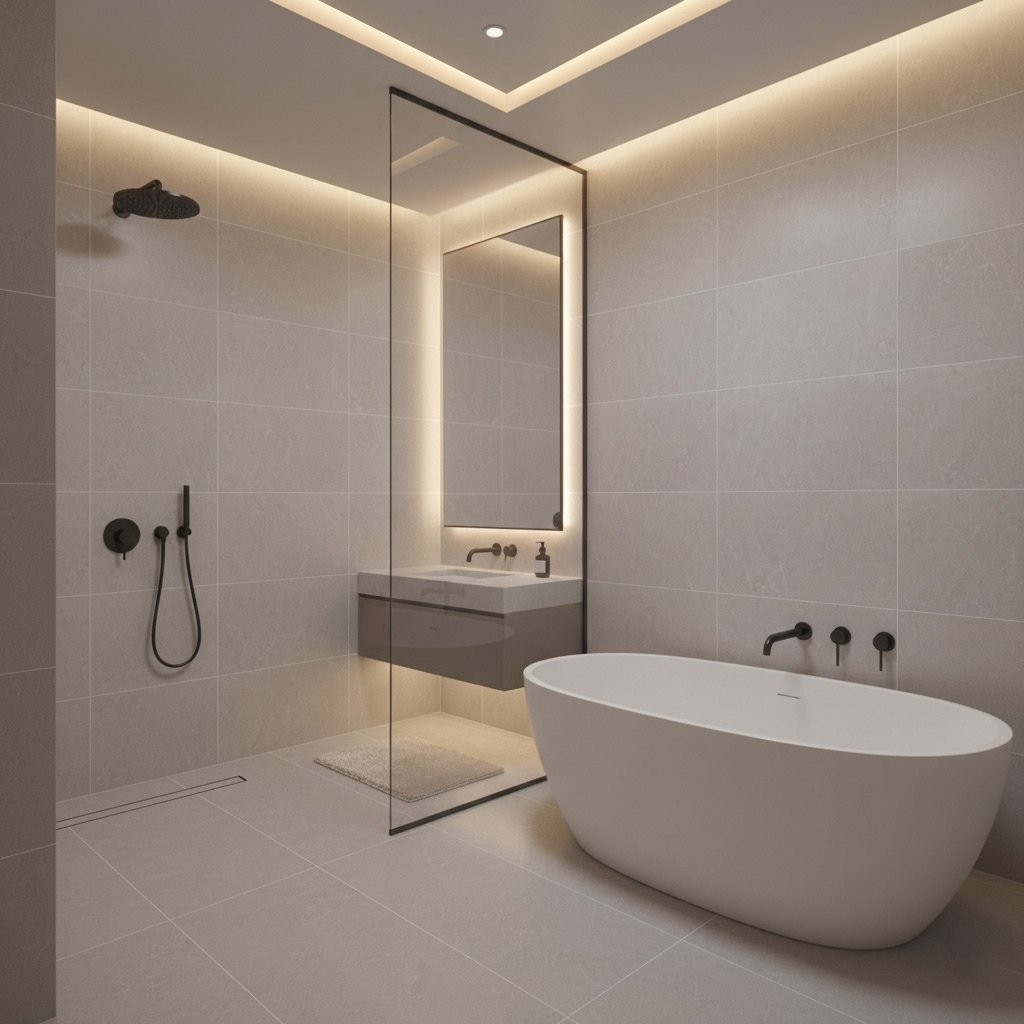
Pre‑Installation Prep: Subfloor Inspection, Moisture Testing, and Surface Preparation
Before you even think about laying a liner, you’ve got to make sure the floor underneath is ready to take the heat. In Marana’s desert swing, a tiny crack or hidden damp spot can turn a flawless shower into a leaky nightmare faster than you can say “re‑tile.”
Subfloor Inspection
Grab a flashlight and a flat‑head screwdriver. Look for:
- Loose boards – any that wiggle under pressure need to be screwed down.
- Rot or soft spots – a soft feel means water has already been hanging around.
- Previous repair tape or shoddy caulk – these are red flags that the old job was a quick fix.
If you spot any of the above, replace or reinforce the board now. It’s cheaper than ripping out the liner later.
Moisture Testing
Pull out a moisture meter (the pin‑type works best on concrete). Take readings at four corners and the center. Anything above 12% RH is a no‑go.
When the reading is high, run a dehumidifier for 24‑48 hours, then retest. This step is the secret sauce pros use to keep mold out of the picture.
Surface Preparation
Clean the subfloor with a shop‑vac, then wipe it down with a trisodium phosphate solution. Let it dry completely – you’ll know it’s ready when the surface looks matte, not glossy.
Finish with a thin coat of primer designed for vapor barriers. It creates a bond that stops the liner from shifting, and it gives you a clean canvas for the next step.
Pro Installation Techniques: Proper Slope, Overlap, and Securing Methods
Dial‑In the Pitch
In Marana’s desert heat, a half‑inch drop per foot is the sweet spot. Too flat and water hangs; too steep and you’ll hear the dreaded “whoosh” as it rushes to the drain. Measure twice, set the slope once – a laser level or a simple string line does the trick.
Overlap Like a Pro
The secret is a 2‑inch overlap on every seam, tucked under the next sheet, not just slapped together. This creates a continuous barrier that even a rogue tile won’t pierce. Think of it as a quilt – each layer covers the one below.
- Start at the curb, work upward.
- Use a hot‑melt adhesive for a tight bond.
- Seal the joint with a waterproof tape before the next sheet goes down.
Lock‑Down the Liner
Fasteners aren’t just for show; they keep the liner from shifting when the floor flexes. Screw the liner to the studs with corrosion‑resistant screws, then cover heads with a thin bead of silicone. Every screw is a guard against future leaks.
- Space screws 12‑inch apart.
- Use a washer to spread pressure.
- Double‑check that no edge is left hanging.
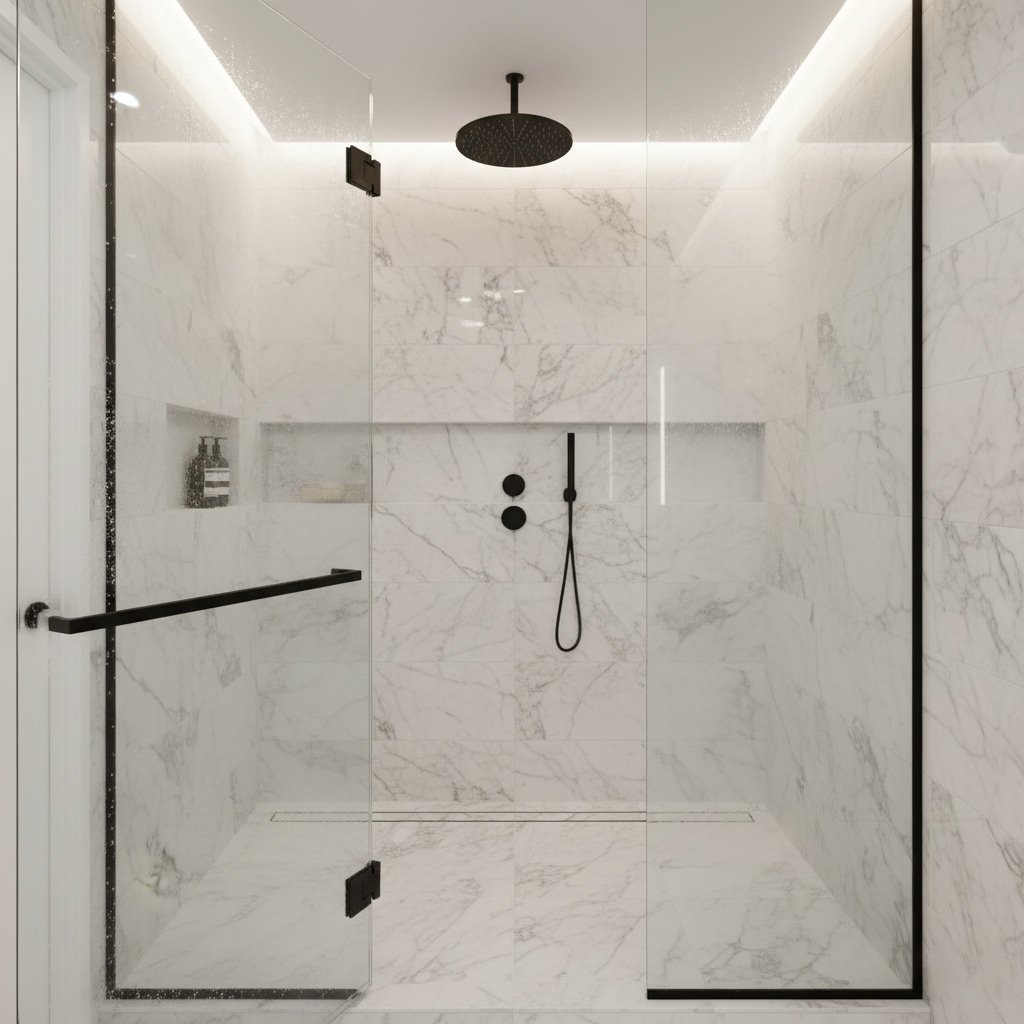
Sealing the Edges: Advanced Tape, Sealant, and Corner Reinforcement Strategies
Why Edge Sealing Matters
Even the toughest liner will betray you if the seams aren’t locked down. Water finds the tiniest gap, then it’s a one‑way ticket to rot, mold, and a costly redo.
Marana’s desert swings from scorching heat to sudden monsoons, so a solid seal is the only thing that keeps the shower from becoming a water‑logged nightmare.
- Prevent water migration into the subfloor.
- Stop vapor from condensing on cold tiles.
- Extend the life of your remodel by years.
Advanced Tape Techniques
Professional crews skip generic duct tape and reach for polymer‑based, self‑adhesive tapes that stay flexible when the bathroom heats up.
Here’s the playbook:
- Apply butyl tape to the top edge of the liner before it meets the wall.
- Overlap the tape by at least 2 inches and press firmly to eliminate air pockets.
- Seal the corners with a pre‑molded corner tape that wraps around the 90‑degree turn.
Sealant & Corner Reinforcement
Once the tape is in place, the real magic happens with the right sealant. Silicone is cheap; polyurethane is a beast that sticks to wet surfaces and stays flexible for decades.
Follow these steps for a leak‑free finish:
- Run a continuous bead of polyurethane sealant along every taped seam.
- Use a caulk smoothing tool to press the sealant into the joint and smooth it out.
- Install metal or PVC corner beads, then coat them with the same sealant for extra reinforcement.
Case Study: How a Marana Contractor Fixed a Chronic Leak and Prevented Mold in a Recent Remodel
The Problem
Homeowner Jenna noticed a steady drip behind her shower wall that turned the grout a sickly gray. The original PVC liner had warped from years of desert heat, letting moisture seep into the plywood subfloor. Every rainstorm felt like a ticking time bomb for mold.
The Solution
Our crew pulled the old liner, ran a moisture test, and installed a custom‑fabricated CPE liner with a built‑in vapor barrier. The key moves were:
- Replace the subfloor with a treated, moisture‑resistant board to stop future rot.
- Apply a ¼‑inch slope toward the drain using a self‑leveling compound.
- Overlap seams by at least 6 inches and seal with a high‑performance acrylic tape.
- Reinforce corners with a stainless‑steel corner bead and silicone sealant.
We also added a secondary “wet wall” membrane behind the tile to double‑guard against any stray water. The installation took just under a day, but the attention to detail saved months of headaches.
The Result
Six weeks after the remodel, Jenna reported zero leaks and a fresh, dry scent in the bathroom. A follow‑up moisture reading showed less than 2% humidity in the subfloor—well below the mold threshold. The homeowner now enjoys a worry‑free shower, and the remodel’s warranty covers the liner for ten years, giving her peace of mind in Marana’s scorching climate.
Final Words
Keep the liner happy for the long haul
Even after the perfect install, a little upkeep goes a long way. Wipe down the walls after each shower, and give the seams a quick inspection every few months. If you spot a tiny crack, seal it now before it becomes a costly repair.When to call in the pros
DIY can work, but the desert heat in Marana loves to test weak spots. Trust a licensed contractor if you notice:- Persistent dampness on the subfloor
- Unusual odors that linger after the shower is off
- Any movement in the liner seams
These red flags mean the vapor barrier or sealant may need a professional touch. A seasoned installer can reinforce corners, replace a compromised liner, and restore confidence in your bathroom’s defense system.
Ready to upgrade or need a second opinion? Browse our Shower Liners page for options that stand up to Marana’s climate and keep your remodel looking fresh for years.
People Also Ask
What is the most durable shower liner material for Marana’s desert climate?
PVC and CPE liners are both water‑tight, but CPE offers superior resistance to UV‑induced brittleness and extreme temperature swings common in Marana. Many pros choose CPE for long‑term durability in desert environments.How do contractors test for moisture before installing a shower liner?
They use a calibrated moisture meter to check the subfloor and any existing waterproofing layers. If readings exceed 12% moisture content, the area is dried or a vapor barrier is added before liner installation.Why is proper slope critical when installing a shower liner?
A consistent 1/4‑inch per foot slope directs water toward the drain, preventing pooling that can breach the liner. Incorrect slope often leads to hidden leaks and costly mold remediation.What sealing methods do pros use to protect liner seams?
High‑quality butyl tape combined with a silicone‑based sealant creates a flexible, waterproof joint. Corner reinforcement with PVC trim or metal flashing adds extra protection against stress cracking.Can a faulty shower liner cause mold even after a remodel?
Yes, if water penetrates a poorly sealed seam or an un‑vapor‑blocked subfloor, mold can develop behind walls. Proper installation, sealing, and a reliable vapor barrier eliminate this risk.
Marana Bathroom Remodel specializes in custom bathroom renovations, bringing over a decade of craftsmanship to homeowners across Marana, Arizona. Their team blends local knowledge with skilled trades to deliver functional, stylish spaces that reflect the unique needs of the community.
Need Bathroom Remodel?
We deliver rapid, reliable home repair solutions across Marana (85658, 85659) and neighboring Tucson ZIPs (85701, 85705, 85719). Our technicians restore functionality quickly so you can move forward.
Get Bathroom Quote