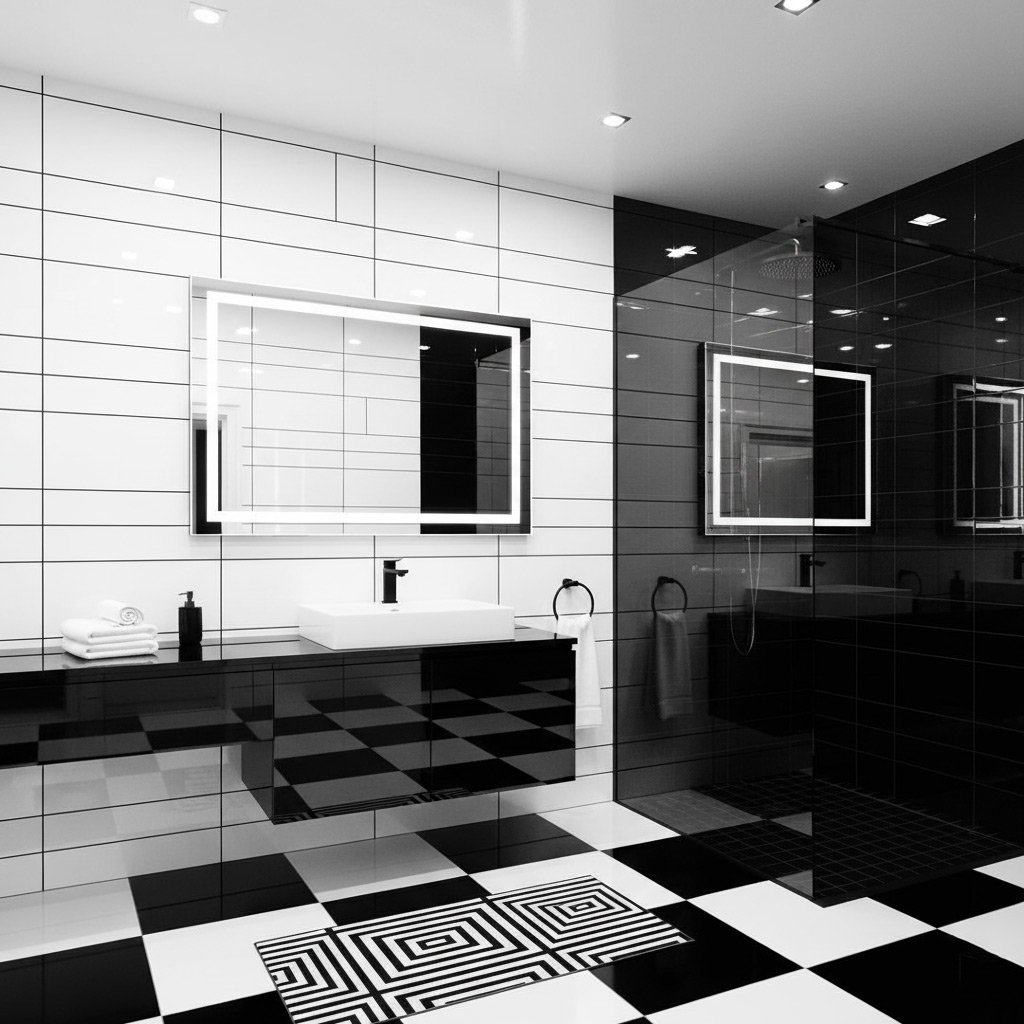
Picture this: you step into the shower, turn the knob, and instead of a warm cascade you hear a faint hiss as water finds its way under the liner and onto the subfloor.
That sneaky leak isn’t just a nuisance—it can turn your bathroom into a money‑eating monster, spawning mold, rotting wood, and sky‑high repair bills that most homeowners never see coming.
Living in Marana means dealing with scorching summers and hard water that love to test any weak spot. A cheap or poorly installed shower liner becomes a ticking time bomb, draining both comfort and cash.
Ready to uncover the real price tag hidden behind a bad liner and learn how to protect your home before the damage spreads? Keep reading and you’ll discover the warning signs and the simple fixes that can save you a fortune.
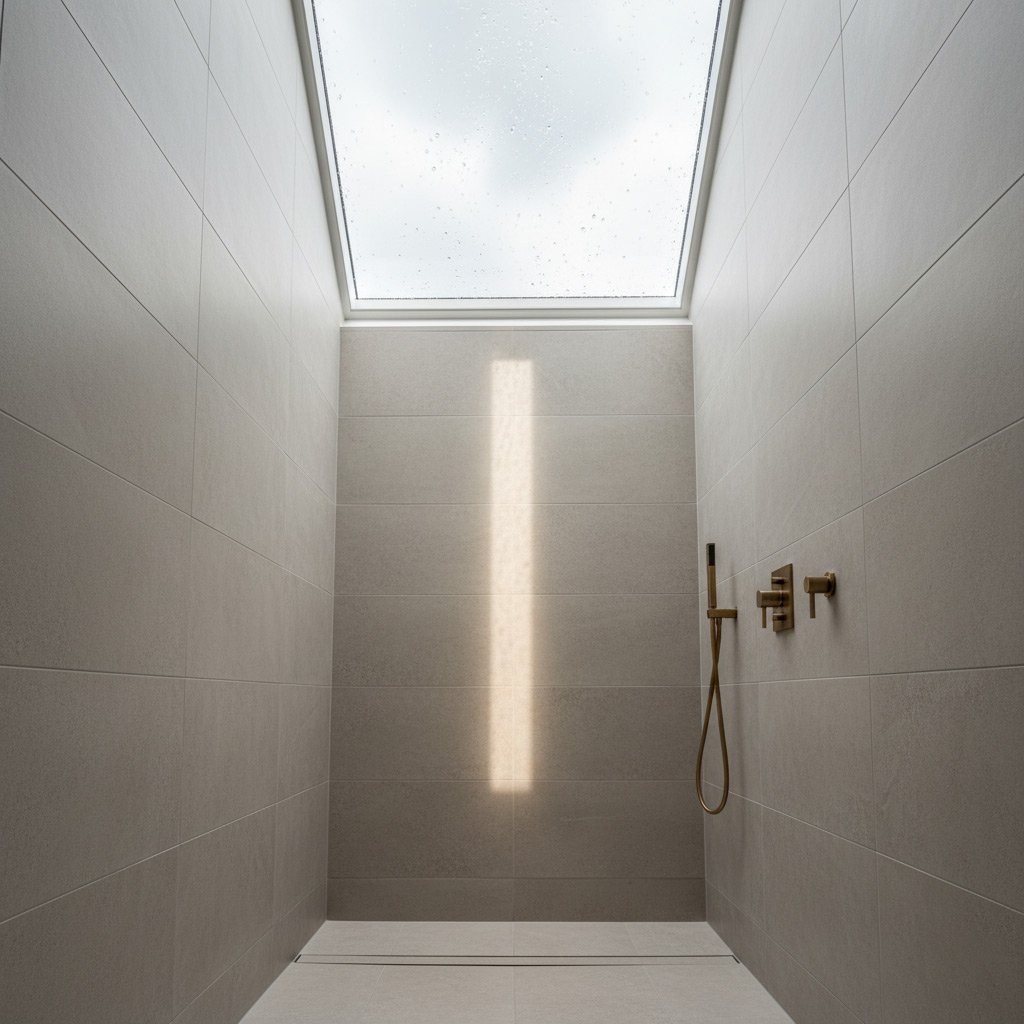
Understanding Shower Liner Basics and Why They Matter in Marana
A shower liner is the thin, waterproof membrane that sits between your tile or tub and the subfloor. Its job is simple: keep water where it belongs—inside the shower stall. When the liner fails, every drop becomes a liability.
Why Marana Homeowners Can’t Ignore It
Our desert climate throws a few curveballs that make a good liner essential:
- Hard water deposits erode seams faster than you’d think.
- Scorching summer heat expands and contracts the liner material, creating tiny gaps.
- Frequent use means more pressure on the seal, especially in busy households.
Skip the cheap, DIY‑only solution and you’re setting yourself up for costly repairs. A properly installed, high‑quality liner is the first line of defense against water‑damage nightmares in Marana.
Common Signs of a Failing Shower Liner You Shouldn’t Ignore
When a liner starts to give up, it doesn’t scream—it whispers. The first clue is often a persistent damp spot on the bathroom floor that won’t dry, even after you’ve mopped it clean.
Water Seeping Around the Edges
If you notice a thin line of moisture tracing the seam where the tub meets the wall, that’s a red flag. It means the liner’s seal is compromised and water is slipping underneath.
- Look for water pooling at the base of the shower wall.
- Check the corners after each shower; a small puddle is a big warning.
- Feel the grout for a soggy, spongy texture.
Musty Odors and Visible Mold
A stale, earthy smell that lingers after you’ve turned off the faucet is more than just a nuisance. It signals mold thriving behind the liner, and mold spreads fast in Marana’s humid evenings.
- Spot black or green specks on the tile grout.
- Notice peeling paint or wallpaper near the shower.
- Feel a sticky film on the shower curtain or glass.
Finally, pay attention to odd noises—a faint gurgle or bubbling sound when the water drains. That’s water finding a new path, often through a cracked liner, and heading straight for your subfloor.

The True Cost Breakdown: Water Damage, Mold Remediation, and Structural Repairs
When a shower liner fails, the price tag isn’t just the liner itself. It’s the cascade of hidden expenses that hit your wallet before you even notice the drip.
Water Damage – The Silent Wallet Drainer
Every gallon that seeps under the liner attacks the subfloor, the joists, and the drywall. The result? A repair bill that can double or triple the cost of a new liner.
- Subfloor replacement: $1,200 – $3,500
- Drywall removal & reinstall: $800 – $2,200
- Labor for water extraction: $150 – $500 per hour
Mold Remediation – The Health Hazard That Costs More Than You Think
Mold loves the damp, dark pockets left by a leaky liner. One ounce of mold can trigger an entire remediation project.
- Testing & inspection: $200 – $600
- Containment & removal: $1,500 – $4,000
- Air purification & post‑remediation clearance: $300 – $900
Structural Repairs – When the Damage Goes Deep
If the water reaches the joists, you’re looking at a structural nightmare. Replacing compromised framing isn’t cheap, and it can delay your remodel for weeks.
- Joist repair or replacement: $2,000 – $6,500
- Re‑leveling the floor: $1,000 – $3,000
- Permits and inspections: $150 – $400
How Hard Water and Desert Climate Accelerate Liner Deterioration
Mineral Build‑up in Marana’s Hard Water
Every time you turn the tap, calcium and magnesium crystals settle on the liner’s surface. Those tiny particles act like sandpaper, grinding away the waterproof coating. Over months, the liner becomes porous, letting water seep behind it.
- Stiff, brittle seams – minerals lock into the seams, preventing them from flexing.
- Increased scratching – rough spots create micro‑tears that spread like a spider web.
- Higher cleaning frequency – harsh chemicals you use to fight stains actually eat at the liner.
Heat‑Driven Stress from the Desert Climate
Marana’s summer highs push bathroom temperatures well above 90°F. The liner expands, the adhesive contracts, and the bond weakens. When the temperature drops at night, the material shrinks, pulling at the seams.
- Thermal cycling creates tiny gaps that water loves to find.
- UV‑filtered sunlight through windows can degrade the liner’s polymer over time.
- Dry desert air dries out the grout, allowing water to travel behind the liner more easily.
Mitigating the Double Threat
Stop the damage before it starts by treating the water and choosing the right liner. A water‑softening system removes the mineral assault, while a high‑density PVC or CPE liner tolerates heat better than cheap vinyl.
- Install a point‑of‑use softener for the shower only.
- Ask your installer for a heat‑resistant sealant rated for desert climates.
- Schedule an annual inspection to catch early wear before it becomes a leak.
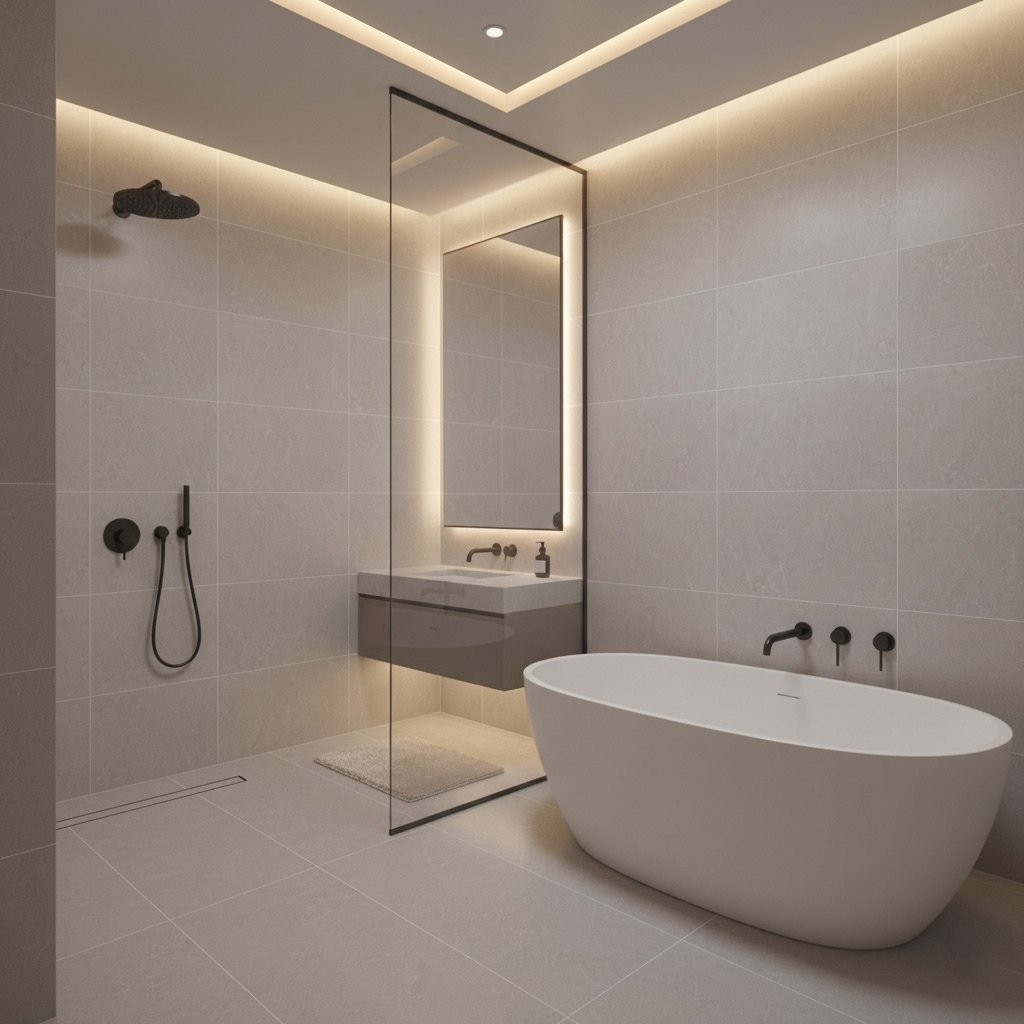
Choosing the Right Materials and Professional Installation to Avoid Hidden Expenses
Material Matters
Not all liners are created equal; a PVC‑rated for high‑temperature water will outlast a cheap polyethylene sheet when Marana’s desert heat hits the shower walls.
Look for liners that boast:
- UV‑stabilized cores that resist cracking under sun‑baked interiors.
- Reinforced seams that keep water from seeping through the joints.
- Certified mold‑resistant coatings that give you a head start against fungal growth.
Why a Pro Installer Saves You Money
A seasoned installer knows the exact pressure points where a liner can bow or tear, and they’ll use the right sealant to lock it down.
Hiring a licensed contractor also means you get a warranty that covers both material defects and labor errors—something a DIY job rarely provides.
Quick Checklist Before You Sign the Contract
Before you hand over the cash, ask for:
- Proof of manufacturer certification for the liner.
- Details on the installation process, including how seams are taped and sealed.
- A written guarantee that covers at least five years of water‑damage protection.
Case Study: How a Marana Homeowner Saved $12,000 by Replacing a Faulty Liner
The Situation
When Tom Miller noticed a damp spot on his bathroom floor, he assumed it was a one‑time spill. Within weeks the smell of mildew grew stronger, and the tile grout started to crumble.
He called a local plumber who confirmed the worst‑kept secret: the shower liner had cracked at the seam, letting water seep into the joists. The estimate for fixing the damage? A jaw‑dropping $13,500.
The Intervention
Instead of signing the bill, Tom hired a certified bathroom remodel specialist who inspected the entire wet‑area system. The pro recommended a full liner replacement with a high‑density PVC membrane and proper sealing of the curb.
Here’s the actual cost breakdown after the smart swap:
- New liner and installation: $2,200
- Water‑damage remediation (dry‑out, mold test): $1,800
- Floor joist repair and reinforcement: $3,500
- Finishing touches (tile, grout, caulk): $2,000
- Contingency and permits: $1,000
Total: $10,500. Tom avoided the $13,500 quote and saved roughly $12,000 compared to the “full‑replace‑everything” scenario the plumber suggested.
The Payoff
Six months later the bathroom is dry, the grout holds, and there’s no trace of mold. Tom’s utility bills even dipped a bit because the new liner prevents water from cooling the subfloor in Marana’s scorching heat.
His takeaway? Don’t wait for a leak to become a disaster. A quality liner installed by a seasoned pro can keep your home safe and your wallet happy.
Final Words: Protecting Your Bathroom and Wallet from Liner Nightmares
Don’t wait for a drip to become a disaster. A quick visual check each spring—look for water stains, musty odors, or loose seams—can save you from a six‑figure repair bill. Catch the problem early and you keep both comfort and cash where they belong.
Three Quick Wins
- Schedule a professional liner inspection before the monsoon season hits.
- Replace old silicone caulk with a mold‑resistant formula every 12 months.
- Invest in a high‑grade PVC or CPE liner that tolerates Marana’s hard water.
When you pair these habits with a reputable installer, you lock out the hidden costs that creep up on unsuspecting homeowners. Think of it as an insurance policy you can actually see and feel—no paperwork, just peace of mind.
Ready to take the next step? Explore our full range of solutions in the Shower Liners section and discover how a smart upgrade can keep your bathroom—and your bank account—dry.
People Also Ask
What are the signs that my shower liner is failing?
A visible water stain on the wall, a musty odor, or water pooling outside the tub are clear indicators. You may also notice peeling tile grout or a soft, spongy feel under the liner.How does hard water in Marana affect shower liners?
Hard water leaves mineral deposits that can erode the liner’s surface over time. This accelerates cracks and leaks, leading to costly water damage sooner than expected.Can a bad shower liner cause mold growth?
Yes, moisture that seeps behind a compromised liner creates an ideal environment for mold. Mold remediation can quickly add thousands of dollars to your repair bill.Why should I hire a professional to install a new shower liner?
Professionals ensure a watertight seal and proper placement, preventing future leaks. DIY installations often miss hidden gaps, which can result in hidden expenses later.How much can I save by replacing a faulty liner early?
Early replacement can avoid water damage, mold remediation, and structural repairs, saving homeowners up to $12,000 or more. Acting promptly protects both your bathroom and your wallet.
Marana Bathroom Remodel specializes in custom bathroom renovations, bringing over a decade of craftsmanship to homes throughout Marana, Arizona. Their team blends local knowledge with skilled trades to create functional, stylish spaces that reflect each client’s unique needs.
Need Bathroom Remodel?
We deliver rapid, reliable home repair solutions across Marana (85658, 85659) and neighboring Tucson ZIPs (85701, 85705, 85719). Our technicians restore functionality quickly so you can move forward.
Get Bathroom Quote